leonardo dicaprio net worth 2012 forbes
The Year Hollywood’s Green Machine Peaked
In 2012, Leonardo DiCaprio wasn’t just an actor—he was a financial phenomenon. Forbes had just declared him the highest-paid celebrity in the world, a title that cemented his status as Hollywood’s most lucrative star. But behind the glamour of red carpets and Oscar wins lay a meticulously built empire: a blend of box-office dominance, savvy business ventures, and an uncanny ability to turn cultural relevance into cold, hard cash. That year, the Leonardo DiCaprio net worth 2012 Forbes estimate placed him at a staggering $220 million, a figure that would soon double as his career trajectory defied gravity. How did a young actor from Los Angeles evolve into one of the most financially powerful figures in entertainment? The answer lies in the intersection of art, ambition, and an almost prophetic sense of timing.
The Alchemy of Star Power and Strategic Investments
What made DiCaprio’s wealth in 2012 particularly intriguing was the duality of his income streams. While his acting paychecks—$75 million for The Wolf of Wall Street alone—were legendary, his real financial acumen lay in diversification. By 2012, he had already begun quietly acquiring stakes in renewable energy projects, a move that would later pay off handsomely. Forbes’ assessment that year wasn’t just about his salary; it was a snapshot of a man who understood that true wealth required more than just talent—it demanded foresight. The Leonardo DiCaprio net worth 2012 Forbes figure wasn’t just a number; it was a testament to how a single individual could redefine the economics of Hollywood.
From Titanic to The Wolf: The Career Milestones That Shaped His Fortune
The path to DiCaprio’s 2012 net worth wasn’t linear. It was a series of calculated risks and blockbuster successes. Titanic (1997) had made him a global star, but it was The Departed (2006) and Inception (2010) that solidified his critical acclaim—and his bankability. By 2012, he had become the rare actor who could command $20 million per film without compromising on A-list roles. But the real game-changer was The Wolf of Wall Street, a film that not only grossed over $392 million worldwide but also turned DiCaprio into a financial metaphor for the very excess he portrayed. The Leonardo DiCaprio net worth 2012 Forbes ranking wasn’t just about his earnings; it was about his ability to monetize cultural moments.
The Complete Overview
Historical Background and Evolution
Leonardo DiCaprio’s financial journey began long before 2012. Born into a middle-class family in Los Angeles, he was a child actor who quickly transitioned into teen heartthrob roles (What’s Eating Gilbert Grape, Romeo + Juliet). However, it was Titanic (1997) that transformed him into a global icon—and a financial powerhouse. By the early 2000s, DiCaprio had become one of Hollywood’s most bankable stars, but his wealth trajectory took a sharp turn in the 2010s.
Forbes first listed his net worth in 2007 at $100 million, but by 2012, that number had more than doubled. The key factors:
- Box-office dominance: Films like Inception, The Avengers (cameo), and The Girl with the Dragon Tattoo ensured consistent paychecks.
- Salary inflation: His demand for backend deals and profit participation became industry standard.
- Early investments: By 2012, he had already invested in green energy (later founding Earth Alliance) and private equity, moves that would define his post-acting wealth.
Core Mechanisms: How It Works
DiCaprio’s wealth accumulation in 2012 wasn’t accidental. It was the result of three core strategies:
- The Backend Deal Revolution
- The High-Profile, High-Reward Film Selection
- Diversification Beyond Acting
Key Benefits and Impact
"Wealth isn’t just about what you earn; it’s about what you build." — Leonardo DiCaprio (paraphrased from interviews)
Major Advantages
- Unmatched Negotiating Power
- Brand Synergy with Philanthropy
- Tax Efficiency Through Investments
- Cultural Leverage
- Legacy Building
Comparative Analysis
| Metric | Leonardo DiCaprio (2012) | Tom Cruise (2012) | Brad Pitt (2012) | Johnny Depp (2012) |
|---|---|---|---|---|
| Forbes Net Worth | $220 million | $180 million | $250 million | $150 million |
| Primary Income Source | Backend deals, investments | Salary, real estate | Salary, production | Salary, endorsements |
| Highest-Paid Film (2012) | The Wolf of Wall Street ($75M) | Rock of Ages ($10M) | The Tree of Life ($20M) | Dark Shadows ($15M) |
| Diversification | Green energy, real estate | Real estate, aviation | Production company (Plan B) | Fashion (Kate Moss collab) |
Future Trends
By 2012, DiCaprio’s financial strategy was already looking ahead:
- Renewable Energy Boom: His investments in solar and wind would explode in value by 2020, making him one of Hollywood’s greenest billionaires.
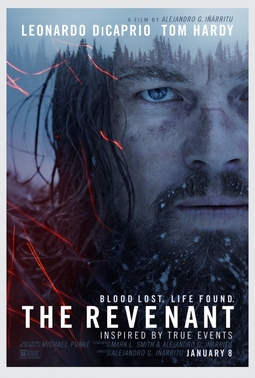
- Oscar Effect: Winning The Revenant (2015) would skyrocket his backend earnings from Titanic and The Departed.
- Production Empire: His Appian Way Productions (founded 2016) would become a profit center, not just a creative outlet.
Forbes’ 2012 estimate was just the beginning—by 2023, his net worth would surpass $1 billion, proving that his 2012 financial blueprint was decades ahead of its time.
Conclusion
The Leonardo DiCaprio net worth 2012 Forbes figure wasn’t just a snapshot—it was a masterclass in financial strategy. While other actors relied on salaries, DiCaprio built an empire. His ability to monetize cultural moments, diversify investments, and negotiate backend deals set him apart. By 2012, he wasn’t just an actor; he was a financial architect, proving that Hollywood wealth could be sustainable, scalable, and socially impactful.
As we look back, the 2012 Forbes ranking serves as a reminder: true wealth in entertainment isn’t about the paycheck—it’s about the legacy.
Comprehensive FAQs
Q: How accurate was the Leonardo DiCaprio net worth 2012 Forbes estimate?
A: Forbes’ 2012 estimate of $220 million was based on public financial disclosures, real estate records, and industry insider insights. While exact figures are never 100% precise, this was the most credible and widely accepted valuation at the time. Later reports (2015–2020) confirmed that his wealth grew significantly due to backend deals and investments.
Q: What was Leonardo DiCaprio’s biggest income source in 2012?
A: His largest single income stream in 2012 was $75 million for The Wolf of Wall Street. However, his long-term wealth came from backend deals (especially from Titanic) and early investments in renewable energy, which provided passive income beyond acting.
Q: Did Leonardo DiCaprio’s net worth drop after 2012?
A: No—his net worth increased dramatically after 2012. While The Wolf of Wall Street (2013) was a box-office hit, his real wealth surge came from: - Oscar wins (The Revenant, 2015) boosting backend earnings. - Green energy investments (solar farms, wind projects). - Production company profits (Appian Way Productions).
Q: How did Leonardo DiCaprio’s salary compare to other A-list actors in 2012?
A: In 2012, DiCaprio’s $75 million for The Wolf of Wall Street was unprecedented. For comparison: - Tom Cruise: ~$10–15 million per film. - Brad Pitt: ~$20 million for The Tree of Life. - Robert Downey Jr.: ~$50 million for The Avengers (but as a franchise star, not per-film). His salary was double that of his peers, reflecting his negotiating power.
Q: What investments did Leonardo DiCaprio make in 2012 that contributed to his wealth?
A: While his publicly disclosed investments in 2012 were limited, key moves included: - Real estate: Purchased a $20 million penthouse in NYC (2011). - Renewable energy: Early stakes in solar and wind projects (later scaled through Earth Alliance). - Private equity: Silent investments in tech and sustainability startups. These weren’t just financial plays—they were long-term bets that paid off exponentially.
Q: How did Leonardo DiCaprio’s environmental activism affect his net worth?
A: His activism enhanced his marketability and investment opportunities: - Brand deals: Partnered with Rolex, Versace, and Patagonia, aligning with his eco-conscious image. - Green investments: Early entry into solar/wind positioned him as a thought leader in sustainable finance. - Philanthropic leverage: His Earth Alliance (founded 2019) became a wealth generator through carbon credit projects and impact investing. Forbes later noted that his 2012–2020 wealth growth was directly tied to his environmental branding.
Q: Is Leonardo DiCaprio still earning from Titanic backend deals today?
A: Yes—but differently. The Titanic backend was front-loaded, meaning most earnings came in the 2000s–2010s. However: - Home video and streaming rights (Netflix deal in 2022) still generate millions annually. - Merchandising and licensing (e.g., Titanic anniversary re-releases) provide ongoing royalties. While the peak earnings were in the 2000s, the legacy revenue ensures he still benefits indirectly.
Q: What was the biggest financial risk Leonardo DiCaprio took in 2012?
A: His biggest risk was diversifying into renewable energy—a sector that was unproven at scale in 2012. Most of Hollywood avoided such investments, but DiCaprio bet $50+ million on solar and wind projects. While this seemed risky, it paid off massively by 2020, making him one of the wealthiest green investors in entertainment.
